Long Beach & nearby
Termite Treatment & Fumigation
Drywood termites live inside the wood and may need tenting, while subterranean termites come from the soil. We match the treatment to the termite and how far it has spread.
About this pest
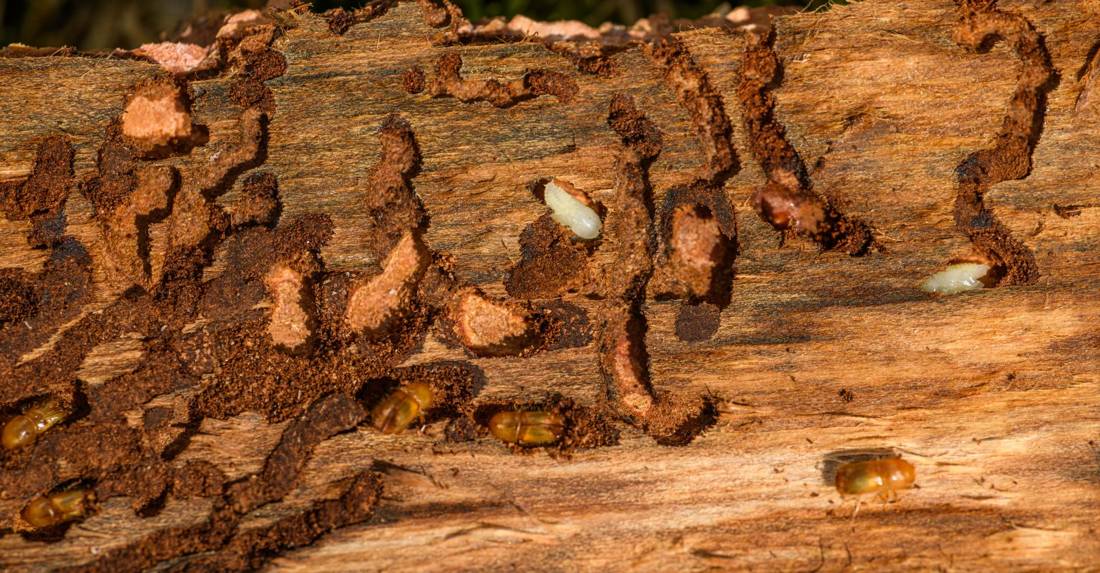
Termites pose a significant threat to homes in Long Beach and throughout Southern California. These pests consume wood, leading to major repairs if not managed promptly. Given our region's mild climate, termites remain active year-round, making consistent vigilance and professional intervention important. Early detection and appropriate treatment methods are key to preventing widespread structural damage to your home.
Understanding the type of termite affecting your property is crucial for effective treatment. Drywood termites live entirely within wood, common in our area and often requiring fumigation. Subterranean termites, however, need contact with soil and are treated differently, often with soil applications or bait systems. A thorough inspection helps determine the specific pest and the most suitable course of action for your home.
Around Long Beach
Long Beach and the surrounding coastal Southern California areas experience year-round termite activity due to the mild Mediterranean climate, with no hard freezes to interrupt their life cycle. Drywood termites are particularly prevalent here, often necessitating tent fumigation for effective control in many homes, especially older bungalows or Spanish-style residences with extensive wood framing. Subterranean termites are also a concern, requiring soil-based treatments. Given that home sales often involve a wood-destroying pests and organisms inspection report, addressing termite issues proactively can be important for homeowners in this region.
Choices
Treatment options
Tent Fumigation
This method involves covering the entire structure with a tent and introducing a gas to penetrate all wood, eliminating drywood termites within the property. It requires residents to vacate the premises for a few days.
Localized Treatments
Targeted applications of liquid termiticides or dusts directly into infested wood or galleries. This approach is suitable for smaller, contained drywood termite infestations and requires less disruption.
Soil Treatments
For subterranean termites, a liquid termiticide is applied to the soil around the foundation, creating a protective barrier. This prevents termites from entering the structure from the ground.
Baiting Systems
Bait stations are strategically placed in the ground around the property. Termites feed on the bait and share it with the colony, leading to colony elimination over time. This is a slower but effective method for subterranean termites.
Step by step
What the visit involves
- 1
Thorough Inspection
A detailed inspection identifies the termite species, locates active infestations, and assesses the extent of damage. This step informs the treatment plan.
- 2
Treatment Plan
Based on the inspection, a tailored treatment strategy is developed, considering the termite type, property structure, and homeowner preferences.
- 3
Application of Treatment
The chosen method, whether fumigation, localized treatments, or bait systems, is applied by trained professionals to target the termite colonies.
- 4
Post-Treatment Advice
Recommendations for ongoing prevention and property maintenance are provided to help reduce the risk of future termite problems.
Questions
Common questions about termite treatment & fumigation
How long does termite treatment take?
The duration depends on the treatment method. Fumigation typically takes 2-3 days, including aeration time. Localized treatments can be completed in a few hours. Soil treatments for subterranean termites may involve several hours of work, depending on the property size and layout.
Is it safe to be in my home during or after treatment?
For fumigation, you must vacate your home for the entire treatment period and not return until it has been certified safe for re-entry. For localized or soil treatments, you can usually remain in your home, but specific areas might be restricted during application.
How often should I get a termite inspection?
It is generally recommended to have a professional termite inspection every 1-3 years, especially in areas like Long Beach with high termite activity. Regular inspections help catch new infestations early before significant damage occurs.
What is the difference between drywood and subterranean termites?
Drywood termites live entirely within the wood they infest and do not need contact with soil. Subterranean termites live in the soil and build mud tubes to access wood structures. Their different habits require distinct treatment approaches.
What are you seeing?
Tell us what the pest looks like and where it shows up. A photo helps. We will tell you what it probably is and how to deal with it.