Long Beach & nearby
Flea & Tick Control
Fleas often arrive with opossums, raccoons or stray cats under the house, not just pets. We treat inside and out, and deal with the animals bringing them in.
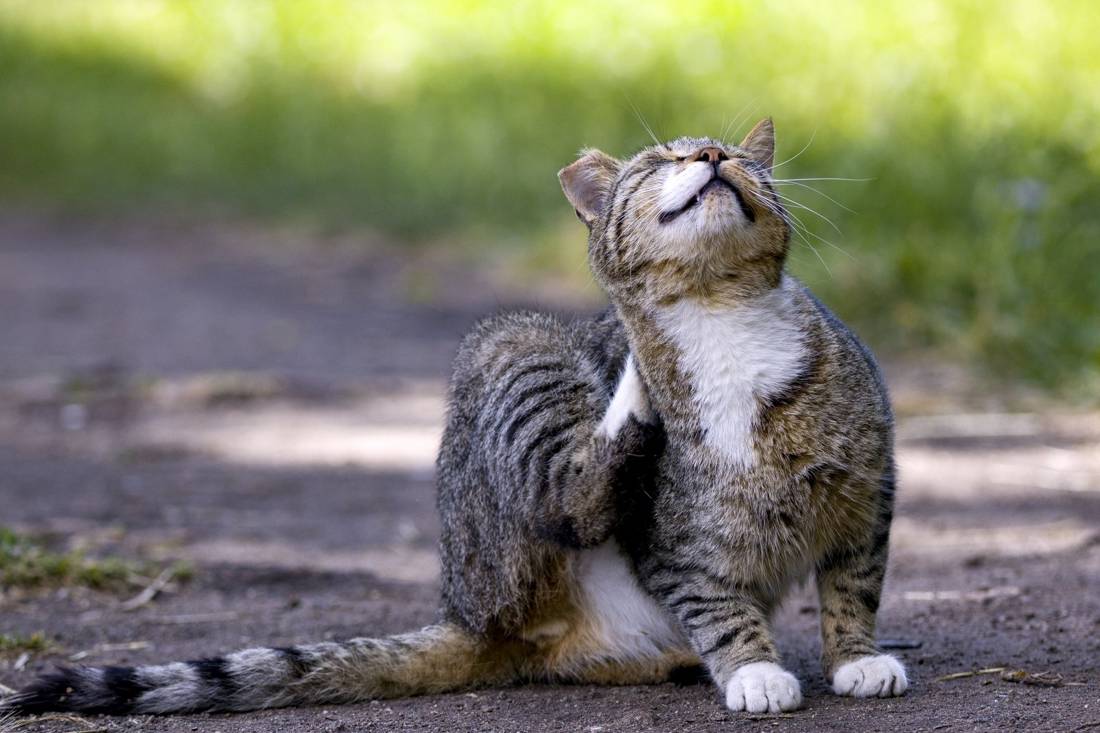
About this pest
Fleas and ticks are more than just a nuisance; they pose health risks to both humans and pets. These parasites feed on blood, causing itchy bites and potentially transmitting diseases like Lyme disease or Rocky Mountain spotted fever. An infestation can quickly take hold, making professional intervention necessary to eliminate them from your property.
Controlling fleas and ticks requires a comprehensive approach that addresses both the adult pests and their developing stages. Our methods focus on breaking the life cycle to achieve lasting relief. We understand the specific behaviors of these pests to apply targeted treatments that are effective for your home and outdoor areas.
Around Long Beach
In Long Beach and across coastal Southern California, the mild Mediterranean climate allows fleas and ticks to remain active year-round, unlike regions with harsher winters. This means infestations can occur at any time, not just in warmer months. The presence of wild animals like raccoons, opossums, and skunks in older neighborhoods can also introduce fleas into residential areas. Dense housing and shared outdoor spaces can facilitate the spread of these pests, making consistent control essential for property owners.
Choices
Treatment options
Residual Sprays
These treatments create a barrier that kills fleas and ticks on contact and provides ongoing protection. Applied to surfaces where pests are known to travel or hide, these products help control active infestations and prevent re-entry.
Insect Growth Regulators
IGRs disrupt the development of immature fleas and ticks, preventing them from maturing into biting adults. This method is key to breaking the pest life cycle and achieving long-term control within the home environment.
Outdoor Perimeter Treatment
Focuses on areas around your home where fleas and ticks are likely to live, such as lawns, shrubs, and shaded areas. This treatment helps reduce pest populations in your yard, creating a protective zone around your property.
Dust Applications
Applied in cracks, crevices, and other hidden areas where fleas and ticks may hide. Dusts offer extended residual control, reaching pests in inaccessible locations and contributing to a thorough elimination strategy.
Step by step
What the visit involves
- 1
Inspection and Assessment
A thorough inspection identifies the extent of the flea or tick problem. We locate areas where pests are active, including pet resting spots, carpets, and outdoor harborage areas. This assessment guides our treatment strategy.
- 2
Targeted Treatment
Based on the inspection, we apply specific treatments to infested areas. This may include interior applications to carpets, rugs, and pet bedding, as well as exterior treatments to lawns and shrubs where pests hide and breed.
- 3
Breaking the Life Cycle
Our approach includes products designed to disrupt the flea and tick life cycle. This targets eggs, larvae, and pupae, preventing future generations from emerging and establishing new infestations within your home.
- 4
Follow-Up and Prevention
We provide advice on how to prevent future infestations, such as regular pet grooming and yard maintenance. Follow-up services may be scheduled to ensure complete eradication and long-term control of pests.
Questions
Common questions about flea & tick control
How do fleas and ticks get into my home?
Fleas and ticks often enter homes on pets, clothing, or even shoes after spending time outdoors. Wildlife such as raccoons or opossums, common in some Long Beach neighborhoods, can also carry these pests into yards, which then find their way indoors.
Can fleas and ticks harm my family or pets?
Yes, fleas can cause itchy bites, skin irritation, and transmit tapeworms to pets. Ticks can transmit more serious diseases such as Lyme disease, Rocky Mountain spotted fever, and anaplasmosis to both humans and animals, making control important.
How long does it take to get rid of fleas and ticks?
Eradication time varies depending on the severity of the infestation and the treatment method. While adult pests are often eliminated quickly, breaking the full life cycle, which includes eggs and larvae, can take several weeks and may require follow-up treatments.
What should I do to prepare for a flea and tick treatment?
Before treatment, it is helpful to vacuum carpets and upholstered furniture, wash pet bedding in hot water, and clear clutter from floors. Pets should be treated for fleas and ticks by a veterinarian prior to or concurrent with home treatment.
More pest services
What are you seeing?
Tell us what the pest looks like and where it shows up. A photo helps. We will tell you what it probably is and how to deal with it.